

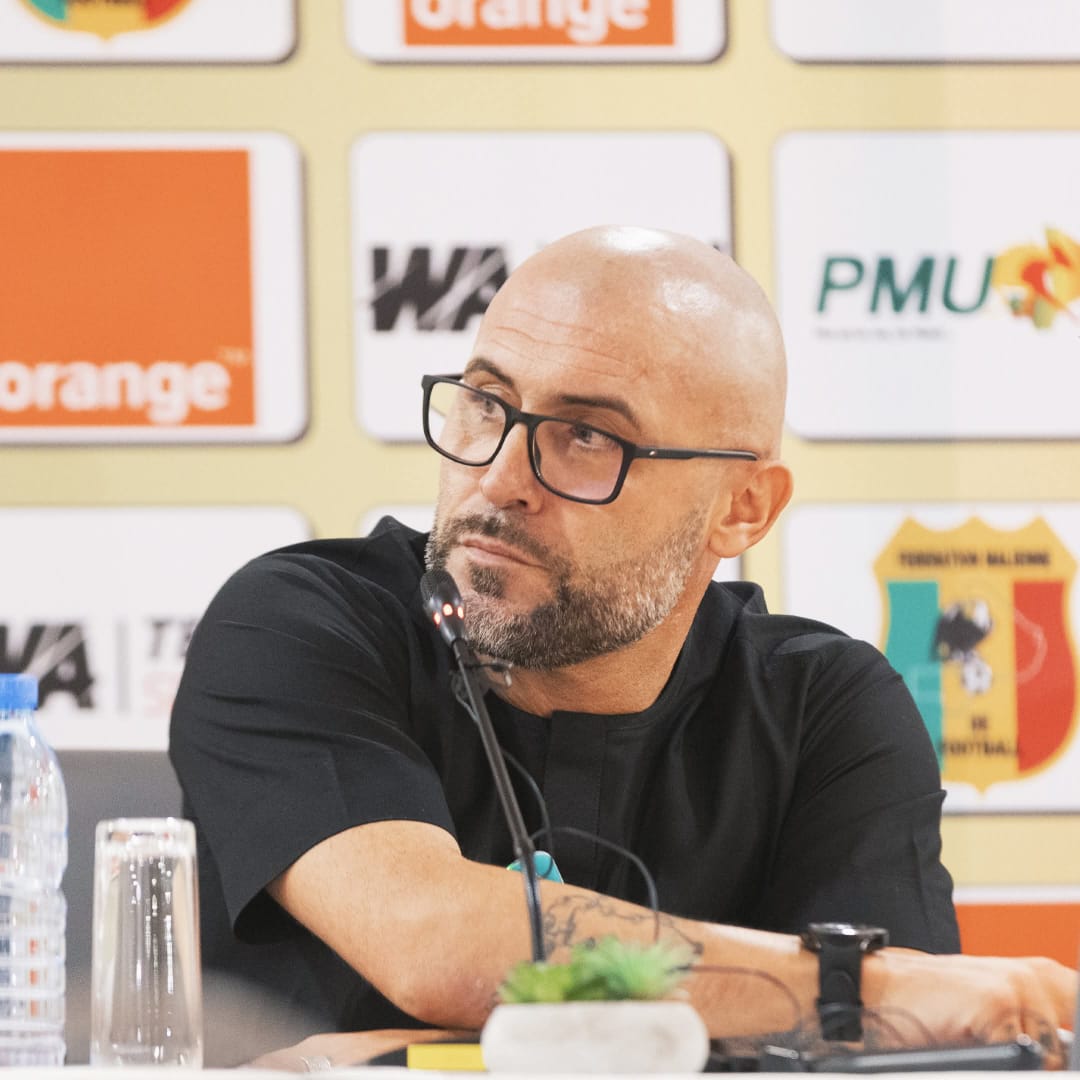
Egypt U18 against Argentina at the Buenos Aires Youth Olympic Games on 18 October 2018 (archive).
A free kick can affect a futsal match even when it does not produce a goal. Certain offences count towards each team’s total. When that total reaches six in one period, the defending team can no longer form a wall for the resulting kick. The risk is therefore no longer just about where the foul occurred.
This guide draws on FIFA’s Futsal Laws of the Game 2025/26, effective from 5 September 2025. It explains the general rule in that edition, without assuming a particular competition’s regulations.
A team count for specific offences
Accumulated fouls are offences punished by a direct free kick under Laws 3, 4 and 12. The count belongs to the team: adding up one player’s cautions will not tell you the total.
An indirect free kick does not add to the count. Another key distinction in the edition consulted: an offence resulting in a penalty does not count either. Hearing the word ‘foul’ is not enough to know whether the total has increased; you need to identify the prescribed restart.
At six, the wall disappears
From a team’s sixth accumulated foul in a period, and for each subsequent one, the relevant direct free kick is taken without a wall. Five is not a number of ‘permitted’ fouls: earlier offences are still punished. The threshold changes the restart procedure without cancelling any disciplinary sanction.
The ten-metre mark is the reference point, but not every such kick has to be taken there. If the foul occurs outside the penalty area, between the offending team’s goal line and the imaginary ten-metre line, the attacking team can choose the ten-metre mark or the place of the offence.
This does not turn the sixth foul into a penalty. If an offence inside the penalty area warrants a penalty, the penalty procedure from the six-metre mark applies. Confusing the two restarts leads to misreading the ball’s position and the foul count.
The period changes the risk
Each team starts the second period at zero. If extra time is played, accumulated fouls from the second period carry over: there is no further reset at the start of extra time.
Consider a fictional example. Team A already have five accumulated fouls in the period. Another counted offence takes them to six, so the resulting restart is taken without a wall. With the same count, an offence punished only by an indirect free kick does not trigger that procedure.
For spectators, three things matter: which team committed the offence, which restart is awarded and in which period. As the threshold approaches, another counted foul becomes more costly. That may encourage defenders to be more cautious, but the count alone cannot explain the tactical choices actually made on the pitch.
SourcesRule reference: FIFA Laws 2025/26, Laws 12–14 and glossary, effective 5 September 2025. The penalty exclusion is specified on p. 78. Additional explanations from separate sources: FFF D1 Futsal media guide 2025/26, pp. 56–57 (exact publication date not stated), and UEFA explainer, published 16 January 2026 and updated 19 January. These summaries do not cover every exception; FIFA’s Laws underpin the precise rule details. Documents checked: 5 October 2026.
Archive photograph: Sandro Halank, Wikimedia Commons, CC BY-SA 4.0. Original file. Egypt U18–Argentina, Buenos Aires Youth Olympics, 18 October 2018. The photograph illustrates international futsal; it does not document an accumulated foul.
Photograph adapted by cropping and resizing, under CC BY-SA 4.0.
Source: Sport News Africa.
Read the original and its updates on SNA
_at_2018_Summer_Youth_Olympics_by_Sandro_Halank%E2%80%930121.jpg)