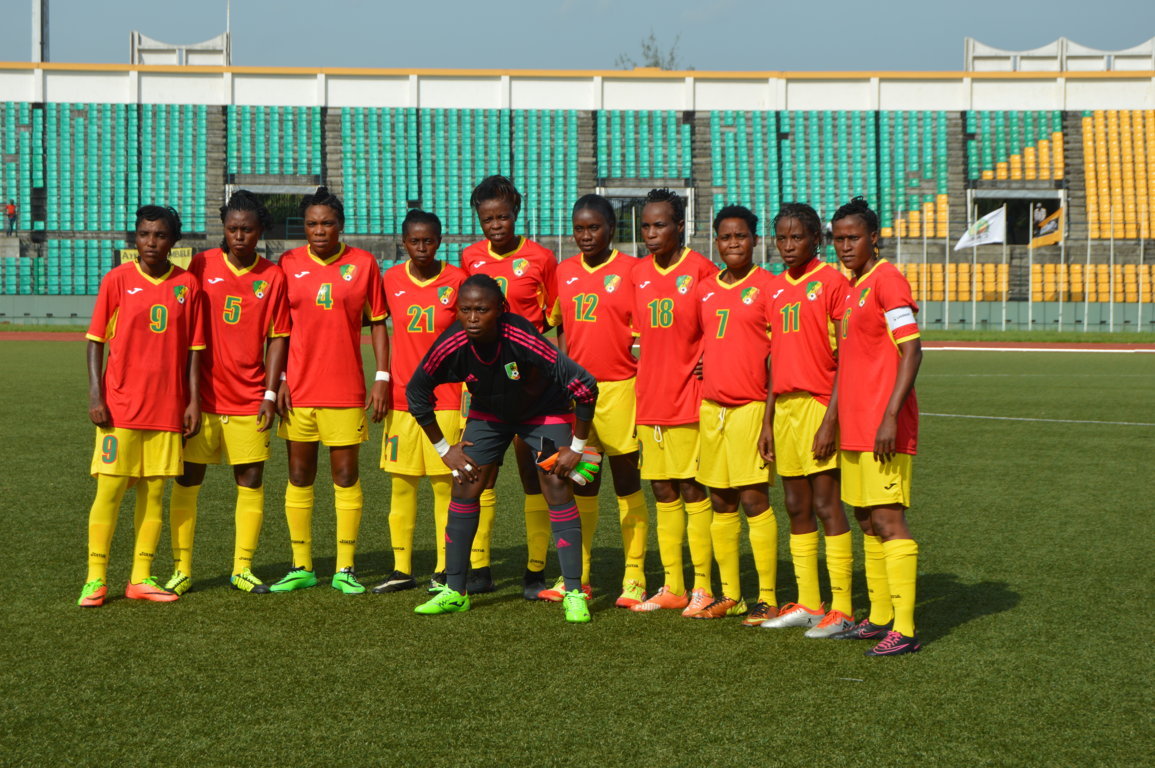
The feared outcome has been confirmed. Congo’s women will not play their October two-legged tie against Morocco in the second round of African qualifying for the LA 2028 Olympics. The Congolese federation informed CAF of the team’s withdrawal, giving Morocco a direct passage to the third round.
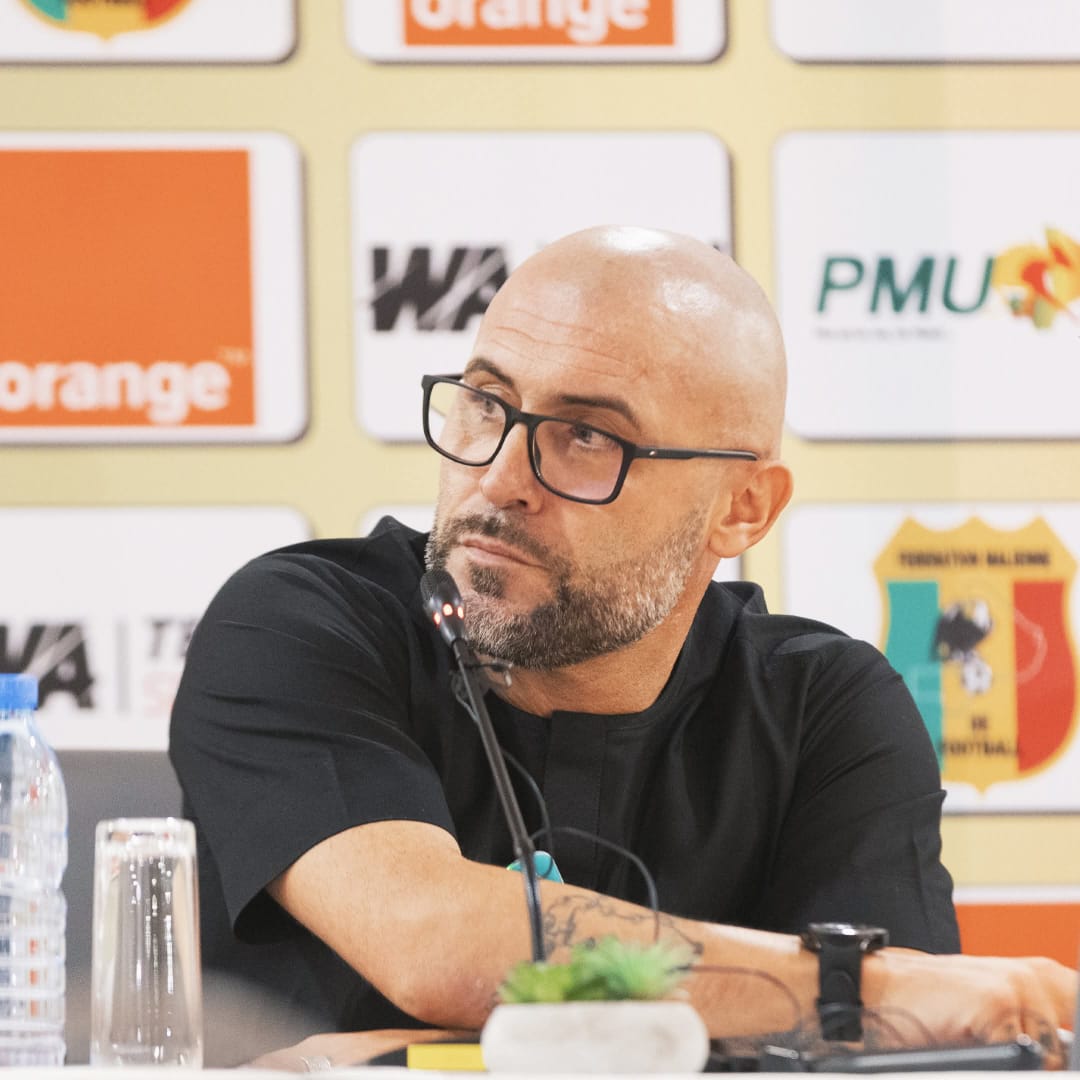
The decision comes amid a lack of regular competition and preparation for the national team. A few months earlier, coach Berjona Mbemba had welcomed the return of domestic competition after two seasons lost to an internal federation crisis.
Speaking to Télé Congo, she said: ‘Recently, women’s clubs played in the Congo Cup, which was a positive sign for women’s football. I watched some games in Brazzaville. I think there is a core group there, but what remains is the work.’
Behind that hope of a revival, uncertainty remained. According to the information available, no national-team training programme had been set by September. That already raised doubts about Congo’s ability to prepare properly for the international fixture.
Women’s football struggling for direction
The withdrawal against Morocco exposes persistent problems in Congolese women’s football. League seasons have repeatedly been interrupted, national competitions remain irregular and clubs struggle to build sustainable development. Preparing a competitive national team under those conditions is particularly difficult.
The national team’s record reflects that. Congo have reached the Women’s Africa Cup of Nations finals just once, in 2006. Nearly twenty years later, they are still waiting to return.
In the Women’s AFCON qualifiers played in 2023, Congo cleared the first hurdle against Guinea-Bissau with two wins, then lost to Tunisia. A 5–2 away defeat and a 1–1 draw in Brazzaville meant a 6–3 aggregate loss.
Those were the Congolese team’s most recent international appearances. Withdrawal from Olympic qualifying extends a worrying period of inactivity for the players and coaching staff.
Resources and governance need clarity
While several African countries are gradually strengthening women’s football development, Congo still faces a basic problem: competition is not organised consistently. A league interrupted for years cannot give players steady progress or clubs a clear sporting outlook.
That instability also affects the regular selection of a national champion and clubs’ preparation for continental competitions, including CAF Women’s Champions League qualifying.
Developing women’s football requires a clear federation strategy. Congo have players who could strengthen the national team, including dual nationals abroad. But identifying, tracking and recruiting them requires a system built around a coherent sporting project.
From promises to action
When elected FECOFOOT president, Eric Alain Mantot said women’s football would be a priority. ‘Women’s football will no longer be a footnote, but a priority with real resources,’ he said in his first speech as federation president.
Withdrawal from Olympic qualifying now tests that ambition. A revival cannot stop at statements of intent. It requires a stable domestic calendar, financial support for clubs, technical monitoring of players and thorough national-team preparation.
An experienced head coach supported by capable staff could help, provided the appointment forms part of a lasting, broader project. Training, talent identification, club organisation and transparent management of resources must also be priorities.
The Morocco withdrawal is more than a missed chance in the race for LA 2028. It reveals the limits of a system struggling to provide regular football for its players and adequate preparation for its national team. FECOFOOT must now turn commitments into action. Without a regular league, player monitoring and a real development plan, Congo’s return to the continental stage risks remaining a distant goal.
Source: Sport News Africa.
Read the original and its updates on SNA